
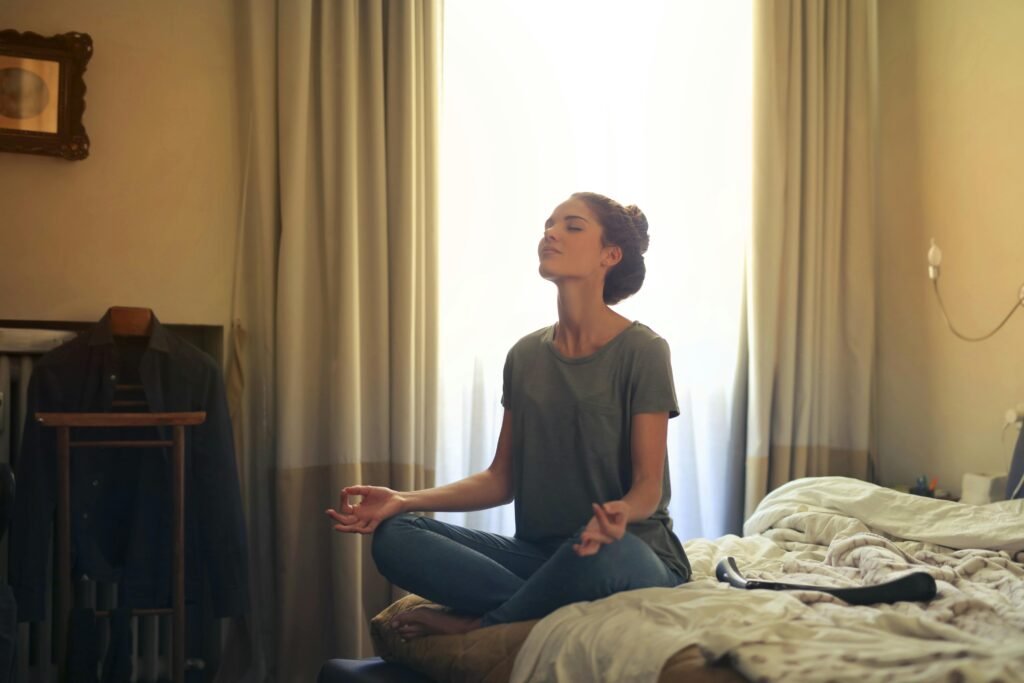
Stress is an inevitable part of life. From work deadlines to personal responsibilities, life can often feel like an endless cycle of pressure and anxiety. But what if there were simple, yet powerful ways to reduce stress and restore balance to your mind and body? Mindfulness techniques offer exactly that. By bringing awareness to the present moment, mindfulness can help you navigate life’s challenges with calm and clarity. In this blog, we’ll explore different mindfulness techniques that can help you reduce stress and reclaim peace in your everyday life.
1. Mindful Breathing
One of the most accessible mindfulness techniques is mindful breathing. This practice involves focusing your attention on your breath—observing each inhale and exhale with full awareness. When you’re stressed, your breathing often becomes shallow and rapid, exacerbating feelings of anxiety. By practicing mindful breathing, you can activate your body’s relaxation response, calming both your mind and nervous system.
How to Practice:
Find a quiet place to sit or lie down comfortably. Close your eyes and focus on the sensation of your breath entering and leaving your body. If your mind wanders, gently bring your focus back to your breath. Try practicing this for 5-10 minutes, gradually increasing the time as you become more comfortable.
2. Body Scan Meditation
Stress often manifests in the body—tight shoulders, a tense jaw, or a racing heart. The body scan meditation is a powerful technique to release physical tension and foster relaxation. It involves paying attention to different parts of your body, noticing sensations without judgment, and allowing areas of tension to soften.
How to Practice:
Lie down in a comfortable position. Starting from the top of your head, slowly scan your attention down through your body—your forehead, eyes, jaw, neck, shoulders, chest, and so on—until you reach your toes. As you focus on each body part, notice any tension and gently release it. This technique is particularly helpful before bed, as it helps relax the body and mind for a restful night’s sleep.
3. Loving-Kindness Meditation
Stress often arises from a harsh inner dialogue or conflict with others. Loving-kindness meditation is a mindfulness technique that promotes feelings of compassion and kindness towards yourself and others, helping to soften negative emotions and reduce stress.
How to Practice:
Sit comfortably with your eyes closed. Start by directing kind and loving thoughts toward yourself. Silently repeat phrases like “May I be happy, may I be healthy, may I live with ease.” Next, extend these thoughts to others—starting with loved ones and gradually including acquaintances, strangers, and even difficult people. This practice can transform your relationship with stress, creating a sense of peace and connection.
4. Mindful Walking
If sitting still isn’t your style, mindful walking is a great way to reduce stress while staying active. This technique involves paying attention to the physical sensations of walking, the movement of your legs, the feel of the ground beneath your feet, and the rhythm of your breath as you move. Mindful walking not only eases stress but also helps to ground you in the present moment.
How to Practice:
Find a quiet space where you can walk undisturbed. As you walk, focus on the sensations in your body—how your feet feel as they touch the ground, how your legs move with each step, and the natural flow of your breath. Allow your mind to stay connected to these sensations, gently bringing your focus back whenever it drifts.
5. Mindful Eating
How often do you eat while distracted by your phone, TV, or the rush of daily life? Mindful eating is a technique that encourages you to slow down and pay attention to the experience of eating—helping reduce stress and fostering a healthier relationship with food.
How to Practice:
Before eating, take a moment to appreciate the appearance, aroma, and texture of your food. As you eat, chew slowly and savor each bite. Notice the flavors and how your body responds to the nourishment. By fully engaging with the act of eating, you can reduce mindless snacking, increase satisfaction, and bring more mindfulness into your everyday life.
6. Guided Mindfulness Meditation
If you find it challenging to meditate on your own, guided mindfulness meditation can be an excellent option. This involves listening to a teacher or audio recording that guides you through a meditation practice. Guided meditations can range from simple breathing exercises to more complex visualizations and are designed to help you relax and focus.
How to Practice:
Choose a guided meditation that suits your needs—there are countless free resources available online and through meditation apps. Find a comfortable place to sit or lie down, put on your headphones, and let the guide lead you through the practice. This is a great way to ease into mindfulness, especially if you’re a beginner or feel uncertain about meditating on your own.
7. Five Senses Exercise
The five senses exercise is a quick and effective mindfulness technique that helps ground you in the present moment by engaging your senses. When stress starts to spiral, this technique can bring your focus back to the here and now, easing anxious thoughts.
How to Practice:
Take a moment to pause and notice:
– 5 things you can see,
– 4 things you can touch,
– 3 things you can hear,
– 2 things you can smell,
– 1 thing you can taste.
This simple exercise anchors your attention in the present, helping to reduce stress and clear your mind.
Conclusion: Cultivating Mindfulness for a Stress-Free Life
Mindfulness offers a wealth of techniques that can be easily incorporated into your daily routine to reduce stress and promote well-being. Whether it’s mindful breathing, walking, or eating, these practices are simple, yet powerful tools to help you manage stress more effectively. The beauty of mindfulness is that it doesn’t require hours of practice—just a few minutes each day can make a profound difference in your mental and emotional health.
So, the next time you feel stress creeping in, try one of these mindfulness techniques. With regular practice, you’ll find yourself feeling more grounded, more at peace, and better equipped to handle whatever life throws your way.